What is Land Clearing and how does it work?
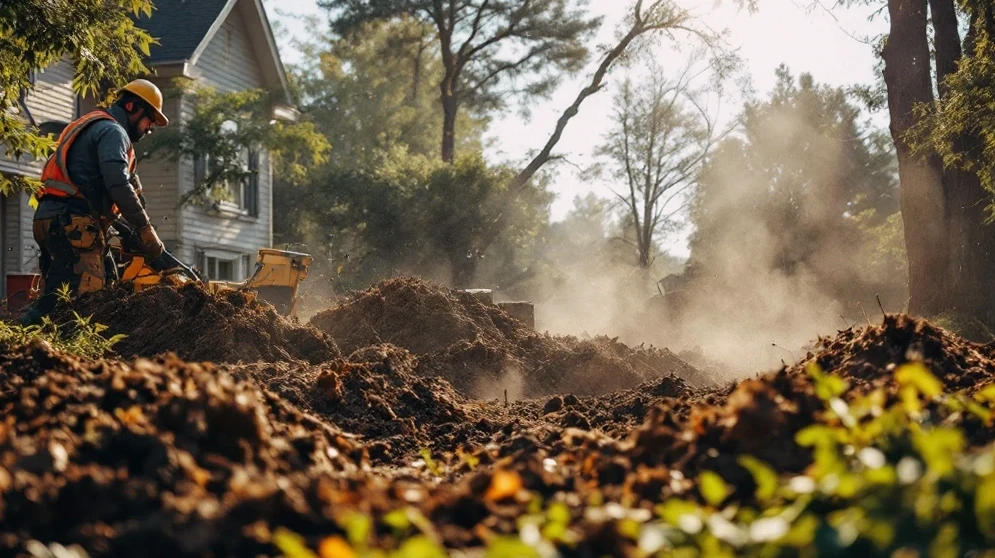
Land clearing is the process of removing trees, brush, stumps, and other obstacles from a property to prepare it for construction, landscaping, or other uses. In Montgomery, this often involves dealing with dense undergrowth, pine trees, and uneven terrain. The work typically includes cutting, grinding, hauling, and sometimes grading the land.
In Montgomery, land clearing isn't just about making space. It's about dealing with the specific challenges of our area, like kudzu vines that can regrow if not fully removed, or pine trees with shallow root systems that leave behind stubborn stumps. The process varies depending on whether you're preparing for a home foundation, a pasture, or just want to open up your yard.
Some properties near the Alabama River have additional considerations, like floodplain regulations or wetland protections. Even if your land isn't officially designated as wetland, heavy clay soils common in Montgomery can create drainage issues if not cleared properly. That's why the first step is always a thorough site evaluation.
The tools used range from chainsaws for smaller jobs to heavy equipment like bulldozers and excavators for larger areas. In neighborhoods with older oaks or historic trees, extra care is taken to preserve what you want to keep while removing what you don't. This precision work separates professional clearing from a simple chop-and-drop approach.
After the visible work is done, there's often hidden follow-up. Roots can continue to sprout new growth, especially with species like sweetgum or chinaberry trees common in Montgomery. A good clearing job includes strategies to prevent regrowth, whether through herbicides applied by licensed professionals or physical barriers.
How Land Clearing works, step by step
Professional land clearing follows a systematic approach: evaluation, permitting, tree/brush removal, stump grinding, debris hauling, and final grading. In Montgomery, the process often includes extra steps like kudzu treatment or erosion control due to our local conditions.
The first visit isn't about starting work, it's about understanding what's there. A crew chief will walk the property noting tree types, terrain changes, and any structures or utilities to avoid. In older Montgomery neighborhoods, this might include locating forgotten septic tanks or well lines that don't show up on city maps.
Permitting comes next. While many rural Montgomery County properties don't need permits for basic clearing, anything near waterways or in flood zones often does. The city has different rules than the county, especially in historic districts. Good contractors handle this paperwork so homeowners don't get surprised by fines later.
Actual clearing starts with the big hazards, dead trees leaning toward structures or large limbs over roofs. Then comes the underbrush, which in Montgomery often means tackling greenbrier vines that can tangle equipment. Workers cut everything to ground level before bringing in stump grinders. For larger properties east of the bypass, this might mean a tracked grinder that can handle multiple stumps per hour.
Hauling varies by job. Some homeowners keep wood chips for landscaping; others want everything gone. In neighborhoods with alleys like Cloverdale, access for dump trucks can be tricky. The final grading step is crucial, you want just enough slope to prevent water pooling but not so much that topsoil washes away during our heavy summer rains.
- Evaluation: Mark utilities, identify protected species, note drainage patterns
- Permitting: Check city/county requirements, especially near waterways
- Clearing: Remove hazards first, then undergrowth, then stumps
- Debris: Choose haul-away, on-site burning (where allowed), or repurposing as mulch
- Grading: Establish proper slope considering Montgomery's clay soils
Why Land Clearing matters for your home
Proper land clearing prevents foundation damage, reduces fire risk, controls pests, and creates usable outdoor space. In Montgomery, neglected lots quickly become overgrown with fast-growing species that can damage structures and breed mosquitoes.
That patch of woods behind your house isn't just untidy, it's a liability. Kudzu can grow a foot per day in our climate, eventually pulling down fences or small outbuildings. Overgrown properties near Dalraida or Chisholm see more rodent and snake problems because predators can't hunt effectively in thick brush.
Fire risk is real even in suburban areas. The 2016 wildfires in nearby counties showed how quickly dry underbrush can spread flames. Keeping a cleared perimeter around structures is especially important in pine-heavy areas like east Montgomery where resin-rich needles accumulate quickly.
Drainage issues start small but get expensive. When leaves and debris clog natural runoff paths, water pools near foundations. Montgomery's expansive clay soils swell when wet, potentially cracking slabs or basement walls. Proper clearing maintains the land's natural drainage while removing obstructions.
Usable space increases property value. A cleared and graded backyard transforms from a mosquito haven to an entertainment area. Many Montgomery homeowners don't realize how much space they actually have until professional clearing reveals contours hidden by decades of growth.
Common problems and what causes them
Homeowners often face regrowth, hidden stumps, erosion, and unexpected costs. These usually stem from incomplete clearing, lack of follow-up treatment, or not accounting for Montgomery's specific soil and climate conditions.
Regrowth surprises people every spring. Cutting down a tree doesn't kill it, many species resprout from remaining roots. Chinaberries along Maxwell Boulevard send up dozens of shoots if stumps aren't treated. Professional clearing includes root killing methods that DIY approaches often skip.
That 'flat' area ready for your pool? There might be old stumps six inches below the surface. In older neighborhoods like Capitol Heights, previous owners sometimes just cut trees at ground level rather than removing stumps. These rot unevenly, causing settling issues years later when you build over them.
Erosion washes away newly exposed topsoil. Montgomery's heavy rains can strip bare dirt from a hillside in one season if no ground cover is established. The best clearing jobs include temporary erosion control like straw mats until grass can take hold.
Unexpected costs come from hidden factors. A lot that looks clear might have buried construction debris from decades ago, old concrete chunks or metal scraps that dull equipment teeth. Properties near former agricultural areas sometimes have abandoned irrigation pipes that snag machinery.
- Regrowth from untreated stumps and roots
- Hidden debris under what looks like clear ground
- Erosion on slopes without proper ground cover
- Equipment damage from unseen obstacles
- Permit violations from not checking local regulations
Frequently Asked Questions
How long does land clearing take?
For a typical residential lot in Montgomery, clearing takes 2-5 days depending on density. Heavy pine stands with large stumps take longer than open fields with scattered brush. Weather matters, our clay soils become impassable when saturated, potentially delaying work after rains.
Can I clear land myself to save money?
For very small areas under a quarter acre, DIY is possible with proper equipment. Beyond that, the risks outweigh savings. Falling trees injure untrained operators daily, and rental equipment costs add up fast. Most homeowners find professional clearing costs less than hospital bills or equipment repairs.
Will clearing make my property flood?
Not if done correctly. Professionals maintain natural drainage paths and often improve them. Problems occur when amateurs remove vegetation without understanding how water flows across the land. In flood-prone areas like near Catoma Creek, we sometimes install French drains as part of the clearing process.
What happens to all the trees and brush?
Options vary. Many Montgomery homeowners keep wood chips for landscaping. Larger logs can be milled for lumber or sold as firewood. Some materials get hauled to the county landfill, while others are burned on-site where regulations allow. We help you choose the most cost-effective disposal method for your situation.
Do I need a permit to clear my land in Montgomery?
City and county rules differ. Generally, properties under 1 acre in the city limits need permits, especially in historic districts. County properties usually don't unless near waterways. We check regulations for your specific address because fines for unpermitted work can exceed the original clearing cost.
How do I protect trees I want to keep?
Mark desired trees with bright tape before work begins. Professionals use root zone protection techniques, we avoid compacting soil within a tree's drip line and never scrape with heavy equipment there. For prized oaks in neighborhoods like Old Cloverdale, we sometimes hand-clear around them to prevent damage.
What time of year is best for land clearing?
Late fall through early spring is ideal in Montgomery. Ground is firmer, snakes are less active, and deciduous plants are dormant. Summer clearing risks damaging surrounding vegetation from equipment heat and compacting rain-softened soil. That said, emergency clearing after storm damage happens year-round.
Can cleared land be reseeded immediately?
Usually not. Fresh wood chips tie up nitrogen as they decompose, starving new grass. We typically recommend waiting 4-6 weeks after clearing before seeding, or using a starter fertilizer high in nitrogen. In erosion-prone areas, temporary ground covers like annual rye grass bridge the gap.
How much does land clearing cost?
Prices vary widely based on vegetation density, stump size, and disposal methods. The only way to get an accurate estimate is an on-site evaluation. We provide free quotes that account for your specific property conditions and goals.
Will clearing reduce my mosquito problems?
Significantly. Mosquitoes breed in standing water hidden by tall grass and brush. Clearing eliminates these breeding sites while allowing predators like dragonflies to patrol. Combined with proper grading to prevent puddles, it's one of the most effective long-term mosquito controls for Montgomery properties.
Need land clearing in Montgomery? Get a free estimate today.
📞 256-290-7737