What is Right-of-Way Clearing and how does it work?
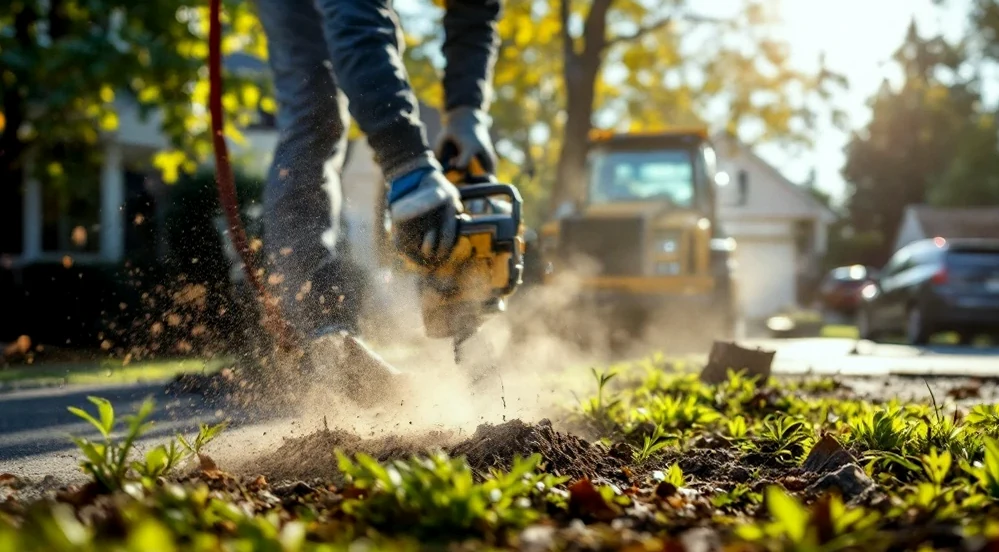
Right-of-way clearing removes trees, brush, and debris from utility corridors or public access paths near your property. In Montgomery, this usually means power lines, drainage ditches, or easements for city maintenance. Crews cut back vegetation to prevent outages, flooding, or blocked access, often leaving wood chips or hauling debris away.
In Montgomery, right-of-way clearing often happens along power lines where Alabama Power or other utilities need to maintain clear access. These corridors might run behind your backyard or along the side of your property. The goal is to keep lines safe from falling branches and ensure crews can reach them quickly during outages or emergencies.
Drainage ditches are another common spot for right-of-way work. If your home is near one of Montgomery's older neighborhoods like Cloverdale or Dalraida, you've probably seen city crews clearing out overgrown brush to prevent clogged drains during heavy rains. When those ditches back up, it's not just an inconvenience; it can lead to flooded yards or even basement water damage.
Some homeowners confuse right-of-way clearing with regular landscaping. The difference is in the purpose. Landscaping is about aesthetics; right-of-way work is about safety and function. Crews aren't trimming your hedges for curb appeal, they're making sure a storm won't knock out power to half the street or send water into your garage.
If you've got an easement on your property deed, the city or utility company has a legal right to access that area for maintenance. They don't need your permission to clear it, but most will notify you beforehand. If you're unsure where your easements are, check your property survey or call the Montgomery County tax assessor's office.
How Right-of-Way Clearing works, step by step
Right-of-way clearing starts with marking boundaries, then crews cut and remove vegetation with chainsaws, chippers, or heavy equipment. In Montgomery, the process usually takes a day or two, depending on the size of the area and how overgrown it is. They'll leave wood chips or haul debris, but won't replant or landscape afterward.
First, someone will flag or spray-paint the edges of the right-of-way. This might be a city worker, a utility contractor, or a survey crew. If you see orange flags near your property line, that's often the first sign work is coming. In older neighborhoods like Capitol Heights, some easements aren't clearly marked, so crews might double-check with property records before starting.
For small jobs, like clearing around a utility pole, a team with chainsaws and a wood chipper might handle it in a few hours. Bigger projects, like cleaning out a drainage ditch along Vaughn Road, could bring in excavators or mulching machines. Those take longer, but they're thorough. You'll hear the equipment, but it's usually done by the end of the day.
After the cutting's done, crews decide what to do with the debris. Some chip everything on-site and leave the mulch behind. Others haul it away, especially if there's rotten wood or invasive plants like kudzu. Don't expect them to tidy up beyond the scope of the job. They're not there to rake your lawn or plant new shrubs.
If the work involves heavy machinery, they'll try to avoid tearing up your yard, but wet weather can leave ruts. If you're worried about tire marks on your grass, ask the crew lead if they can lay down plywood or work from the street. Most are happy to accommodate if you flag the issue early.
Once the job's done, inspect the area. Look for hanging branches they might have missed or debris piles too close to your fence. Utility crews are careful, but mistakes happen. If something doesn't look right, call the number on the work notice or contact the city's public works department.
Why Right-of-Way Clearing matters for your home
Right-of-way clearing prevents power outages, flooding, and fire hazards near your Montgomery home. Overgrown trees can snap power lines in a storm, and clogged ditches send water toward your foundation. Keeping these areas clear protects your property and keeps emergency access open.
Montgomery's thunderstorms are no joke. When a pecan tree limb crashes onto a power line, it can knock out electricity for your whole block. Regular right-of-way clearing means fewer surprise outages during summer storms. Alabama Power trims cycles every few years, but if you notice branches getting too close to lines between cycles, you can report it.
Drainage is another big reason. Neighborhoods like Normandale and McGehee Estates rely on ditches to handle runoff. When those fill up with leaves or overgrown weeds, water has nowhere to go except into yards or streets. A cleared right-of-way keeps the flow moving away from your home's foundation.
Fire risk is lower here than in California, but it's not zero. Dry brush near power lines or gas meters can ignite from a stray spark. The Montgomery Fire Department recommends keeping at least 10 feet of clearance around utility equipment. Right-of-way work handles that for you in shared spaces.
Property value is quieter benefit. A well-maintained easement or utility corridor looks better than a jungle of weeds. If you're selling your home in Huntingdon Woods or Wynlakes, buyers notice when the neighborhood's infrastructure is cared for. It signals that the area gets regular maintenance.
Finally, there's the legal side. If you ignore an overgrown easement and it causes problems, like a fallen tree damaging a neighbor's car, you could be liable. Right-of-way maintenance shifts that responsibility to the city or utility company. They're on the hook for keeping those areas safe.
Common problems and what causes them
Homeowners often deal with uneven clearing, leftover debris, or damage to fences and landscaping. These usually happen when crews rush, misunderstand boundaries, or work in wet conditions. Knowing what to watch for helps you catch issues early.
Patchy clearing is a frequent complaint. Some crews might cut a clean swath under power lines but ignore thick brush just outside the marked area. That leftover growth can hide pests like snakes or rodents. If you see uneven work, call the utility or city to request a follow-up. They'll usually send someone back to tidy up.
Debris piles left too close to fences or gardens are another headache. In one Cloverdale-Idlewild case, a crew stacked logs against a homeowner's wooden fence, which later rotted from the moisture. Always check where they've left cuttings. If it's piled against your property, ask them to move it or chip it finer.
Boundary disputes pop up when easement lines aren't clear. A crew might accidentally cut down your prized crepe myrtle because it was near a utility marker. To avoid this, know where your property lines are and mark any plants you want to protect with bright tape before work starts.
Wet weather turns right-of-way clearing into a mess. Heavy equipment can sink into soft ground, leaving ruts or tearing up sprinkler lines. If rain's in the forecast, ask if they can reschedule. Most contractors would rather wait a day than deal with muddy complications.
Some homeowners worry about invasive plants spreading after clearing. Chinese privet and kudzu love disturbed soil. If you see these popping up post-clearing, treat them fast. The city won't handle weeds on your side of the easement line, but they might share herbicide recommendations.
- Uneven cuts: Crews miss spots just outside the marked zone
- Debris piles: Left too close to fences or gardens
- Boundary confusion: Plants you wanted kept get removed
- Mud and ruts: Wet weather turns equipment work into a mess
- Invasive plants: Kudzu or privet sprouting in cleared areas
Common questions about Right-of-Way Clearing
Frequently Asked Questions
Can I stop the city or utility from clearing my easement?
No. If the area is legally designated as a right-of-way or easement, they have the right to maintain it. You can discuss timing or request care around specific plants, but you can't refuse access.
Who pays for right-of-way clearing?
The city or utility company covers the cost for public easements. If it's a private easement, like a shared driveway, the property owners might split the bill. You'll rarely pay out of pocket for standard public right-of-way work.
What if they damage my fence or sprinkler system?
Report it immediately to the crew supervisor or the agency that hired them. Take photos before and after the work if you're concerned. Most agencies have a process to handle property damage claims.
How often does right-of-way clearing happen in Montgomery?
It varies. Alabama Power trims near lines every 3-5 years. City drainage ditches might get cleared annually in flood-prone areas like Bell Road, but less often in drier zones. Overgrown reports from residents can trigger extra visits.
Can I keep the wood chips or logs they leave behind?
Usually, yes. Crews often leave chips as a courtesy. Just confirm they're not from diseased trees (like oak wilt). For larger logs, ask before taking them; some contractors recycle timber for mulch.
Why did they clear more than last time?
Standards change. After major storms, utilities often widen clear zones to prevent future outages. New equipment like taller bucket trucks might also require more overhead space than older models did.
Do I need to be home during the work?
Not usually. Crews handle access themselves for standard right-of-way jobs. If they need to cross your main yard (not just the easement), they'll typically leave a notice or call ahead.
What if I planted flowers in the easement?
They'll likely get removed. Never plant anything permanent in a right-of-way. Stick to annuals you don't mind losing, and keep them away from utility markers. In Montgomery, even daffodils near drainage ditches may get mowed.
Can I hire my own crew to clear the right-of-way faster?
Sometimes, but check first. Utility companies often require certified contractors for work near power lines. For drainage ditches, the city might reimburse you if you follow their specs, but it's rarely worth the hassle.
Who do I call if the job wasn't done right?
Start with the phone number on the work notice they left. No notice? For power lines, contact Alabama Power. For drainage, call Montgomery Public Works. Be specific: 'They missed 20 feet of kudzu near the transformer on the south side.'
Need land clearing in Montgomery? Get a free estimate today.
📞 256-290-7737