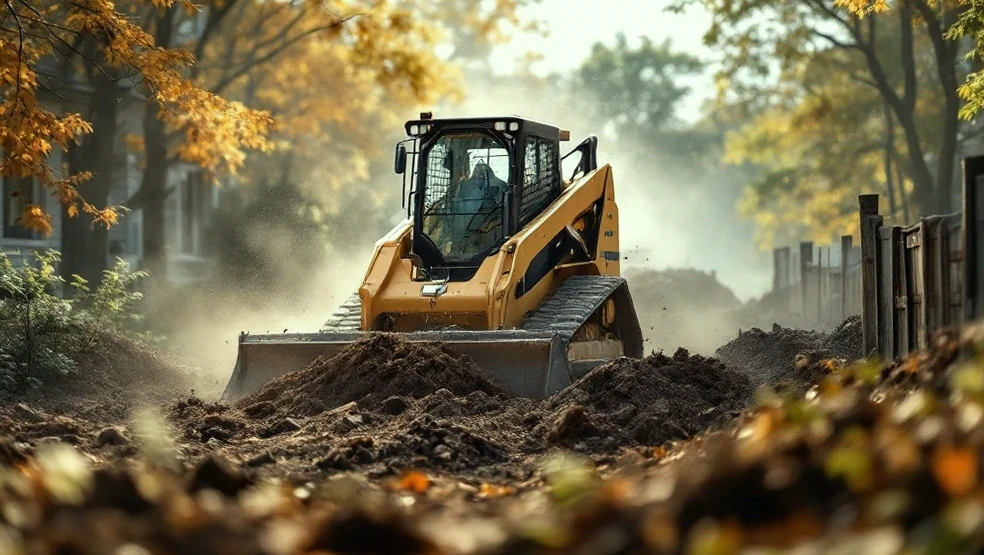
What is Land Clearing and how does it work?
Land clearing removes trees, brush, and debris to prepare a property for construction, farming, or landscaping. In Montgomery, this often means dealing with thick undergrowth, pine stands, or leftover storm debris. The process varies by lot size and vegetation but typically involves cutting, grinding, and hauling away material.
Montgomery's mix of clay soil and fast-growing pines means land clearing isn't just about cutting trees. You're often dealing with tangled roots, stubborn stumps, and vines that choke equipment. A half-acre lot with mature oaks might take two days to clear properly, while a pine thicket could be done in one if the stumps are left for grinding later.
The wrong approach can leave you with hidden costs. Skid-steer loaders struggle with wet clay after a rain, and buried debris from past owners might turn up when you least expect it. A crew that knows Montgomery's soil types will spot these issues before they stall the job.
Some lots need permits, especially near wetlands or historic areas. The city requires erosion control measures like silt fences for slopes over 10%. A local crew will know where to check for underground utilities before digging, which saves you from fines or service disruptions.
Clearing isn't always a full reset. You might keep a few hardwoods for shade or leave a buffer near property lines. Good contractors mark these save trees with tape and work around them, but it needs to be decided before the equipment rolls in.
How Land Clearing works, step by step
Professional land clearing starts with a site visit to plan the work, followed by cutting, removal, and final grading. In Montgomery, crews often add stump grinding and erosion control based on the property's needs. Here's how a typical job unfolds.
First, someone walks the property to flag utilities and note drainage patterns. A lot near the Alabama River might need extra attention to avoid disturbing wetlands, while a hill near Cloverdale could require terracing to prevent runoff. This is when you'd point out which trees to save or any old foundations hidden in the brush.
Heavy equipment arrives next, usually a bulldozer or excavator for big jobs, or a skid-steer for tight spaces. Mulchers make quick work of underbrush but can't handle thick trunks. In older neighborhoods like Garden District, crews often find brick piles or buried scrap metal that requires hand sorting before hauling.
Stump removal depends on your plans. Grinding leaves the roots to prevent soil shift, which works if you're seeding grass. Full extraction is needed for building foundations but costs more and leaves holes to backfill. Most Montgomery clay firms up after a few rains, but sandy spots near creeks might need added gravel.
Final grading shapes the land for its next use. A pasture needs gentle slopes for drainage, while a homesite requires compacted soil for the slab. Local crews know to crown the grade away from the street to avoid flooding the basement during our summer downpours.
- Site inspection: Mark utilities, note save trees, check for hazards
- Brush removal: Mulchers or hand crews clear undergrowth
- Tree cutting: Felled trunks are cut into movable lengths
- Debris hauling: Loaded onto trucks for disposal or recycling
- Stump treatment: Ground down or extracted based on future use
- Grading: Soil shaped for drainage and final purpose
Why Land Clearing matters for your home
Uncleared land invites pests, fire risks, and drainage problems that can damage your property. In Montgomery, overgrown lots also hide snakes and ticks near play areas. Proper clearing creates usable space and prevents costly issues down the road.
Kudzu and privet grow faster here than almost anywhere. Left unchecked, they'll swallow fences and crawl under siding within a season. A cleared buffer zone keeps vegetation from touching your home, which deters termites and reduces wildfire fuel, something rural lots near Pike Road should consider seriously.
Standing water breeds mosquitoes and weakens foundations. Montgomery's flat spots collect runoff if the grade isn't right. Clearing with proper sloping directs water toward storm drains or natural swales. This matters most in neighborhoods like Dalraida where older drainage systems clog easily.
Dead trees fall unpredictably during storms. Hurricane-prone areas like Hope Hull see fewer downed power lines when landowners remove precarious pines before the winds hit. An arborist can spot diseased trees during clearing that might otherwise crash onto your roof next spring.
Future projects get easier with a blank slate. Trying to build a shed or pool on an uncleared lot means paying crews to work around stumps and brush piles. Doing it all upfront often costs less than tackling it piecemeal over years.
Common problems and what causes them
Homeowners often underestimate Montgomery's tough vegetation, hidden debris, and permit needs. Rushed jobs leave behind stump sprouts or eroded soil. Here's what goes wrong and how to avoid it.
Stumps that weren't ground deep enough send up new shoots by the next summer. Sweetgums and water oaks are the worst offenders. A proper grind goes 6-8 inches below grade, but some crews stop at 4 inches to save time. This is why you see patchy re-growth on lots cleared cheaply along Troy Highway.
Buried trash turns clearing into an archaeology dig. Rural properties often have old appliances or car parts dumped in the woods. Urban lots might hide brick piles from demolished outbuildings. These slow down equipment and add disposal fees if they're not spotted early.
Erosion washes away topsoil when clearing isn't followed by straw or seeding. On slopes near the Coosa River, silt can reach waterways and trigger fines. Temporary grass holds the soil until permanent landscaping goes in, but it's often skipped to cut costs.
Permit delays happen when crews don't check city rules. Clearing within 50 feet of a stream needs approval, and historic districts like Old Cloverdale have extra hoops. A contractor who regularly works in Montgomery will file the right paperwork so you don't get a stop-work order.
Frequently Asked Questions
How long does land clearing take in Montgomery?
Most residential lots take 1-3 days depending on size and vegetation. A quarter-acre with light brush might be done in a day, while two acres of dense pines could take a week. Stump grinding adds time but can often be done separately after the main clearing.
Can I clear land myself to save money?
Small patches are doable with a chainsaw and rented equipment, but Montgomery's tough vegetation often overwhelms DIYers. Kudzu roots regrow if not fully removed, and pine stumps dull equipment fast. For anything over half an acre or with large trees, hiring pros is safer and often cheaper long-term.
What happens to all the cleared trees and brush?
Most crews chip small branches for mulch or haul them to a green waste facility. Larger trunks may be cut for firewood or sold to lumber mills if they're straight enough. Some contractors burn debris on-site with a permit, but this is rare in populated areas due to smoke complaints.
Will clearing my land make it flood?
It can if not graded properly. Vegetation absorbs rainfall, so removing it increases runoff. A good crew will shape the land to direct water away from structures and may install temporary berms or silt fences. This is critical in low-lying areas near Catoma Creek.
Do I need a permit to clear my lot in Montgomery?
Usually yes for anything over an acre or near water. The city requires erosion control plans for larger projects, and historic districts have aesthetic rules. Always check with the city's planning department before starting, fines run high for unpermitted clearing in protected zones.
How much should I budget for land clearing?
Costs vary widely by lot size and condition. Small residential jobs often start at a few thousand dollars, while large or complex properties can run much higher. The only way to get an accurate estimate is an on-site evaluation from a local contractor who can see the vegetation and terrain.
What's the best time of year for land clearing?
Late fall through early spring is ideal in Montgomery. Ground is firmer, snakes are less active, and deciduous trees are easier to assess without leaves. Summer clearing risks equipment getting stuck in mud after storms, and heat stresses crews working in thick brush.
Can I keep some trees while clearing the rest?
Absolutely. Mark desired trees with bright tape before work begins. Good contractors will protect them with barriers and avoid compacting soil over their roots. Just remember that isolated trees may need extra support against wind after surrounding vegetation is removed.
Need land clearing in Montgomery? Get a free estimate today.
📞 256-290-7737